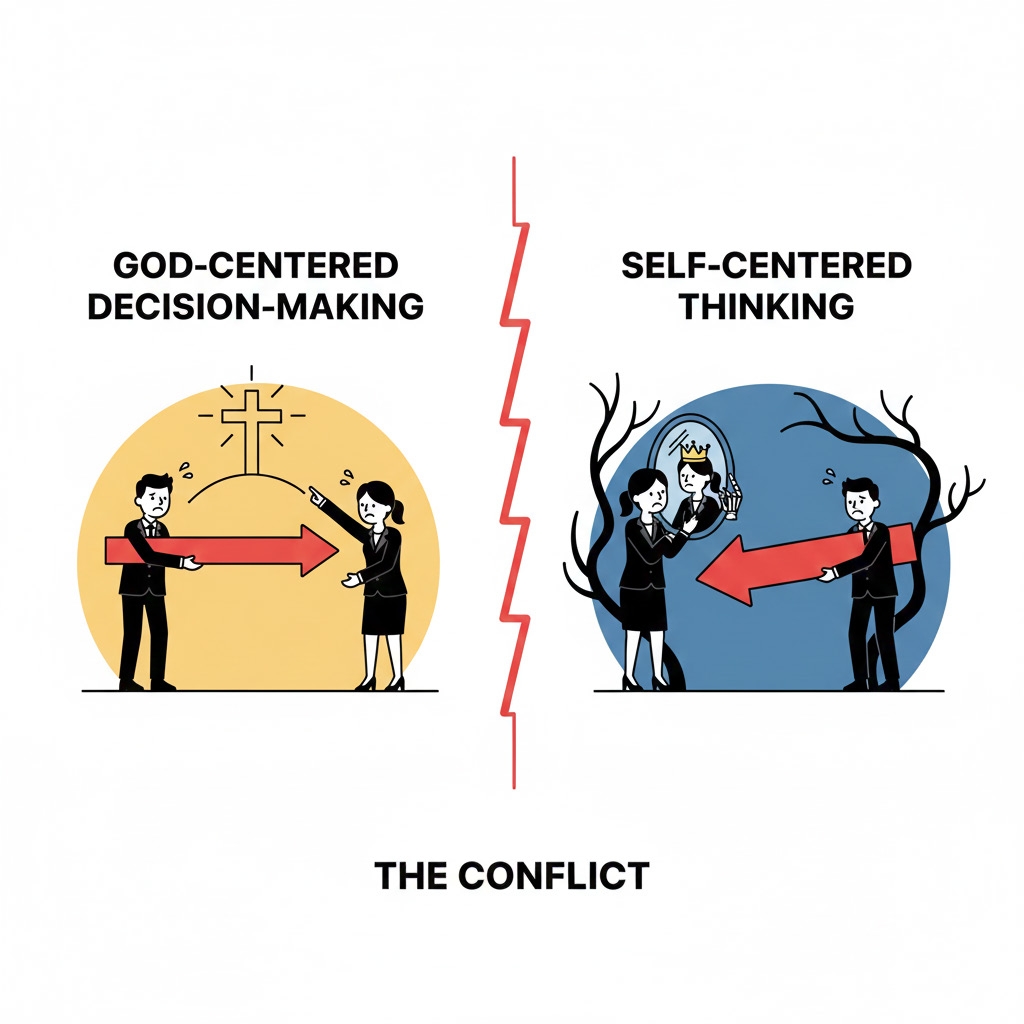
History—both biblical and modern—shows that when power, alliances, and personal gain overshadow morality, the result is always destructive. One of the clearest biblical illustrations of this truth is found in Luke 23:12: “From that day on, Pilate and
Herod became friends, even though they had been enemies previously.” This seemingly simple verse exposes a deeper reality: political alliances formed for convenience rather than conviction can lead to disastrous moral failures. The trial of Jesus Christ reveals how influential leaders abandoned integrity to protect their positions, resulting in the suffering of the innocent. During Jesus’ trial, Pilate—though a Roman governor—rec- ognized His innocence. Herod Antipas also examined Jesus but chose mockery over justice. Neither dared to stand for the truth. Instead, they allowed political pressure and fear of public opinion to determine their actions.
Their newly formed friendship was not built on shared values or righteous- ness, but on a mutual desire to escape responsibility. In that moment, personal safety, public approval, and political interests outweighed justice and morality. The innocent suffered because the truth was sacrificed on the altar of convenience. Their choices remind us how quickly integrity can crumble when comfort or approval takes precedence over doing what is right. From their actions, we draw four crucial lessons for every leader today:
Morality Must Guide Decisions, Not Convenience Pilate and Herod knew the right thing but lacked the courage to do it. Today, leaders in politics, workplaces, ministries, and organizations face similar pressures. When decisions are driven by votes, influence, or comfort instead of principle, integrity weakens.
Alliances Should Never Compromise Integrity Partnerships can offer support, protection, and opportunity. But alliances that demand ignoring truth, overlooking wrongdoing, or benefiting at another’s expense are dangerous. When loyalty to people outweighs loyalty to God’s principles, moral corruption begins.
Small Compromises Lead to Greater Destruction The alliance of Pilate and Herod indirectly contributed to the crucifixion—a decision with eternal consequences. Likewise, today’s compromises may seem small, but they often grow into scandals, broken trust, and long-term harm.
Courage Is Essential for Righteous Leadership Pilate feared Caesar. Herod feared losing his reputation. Both failed because they sought approval over integrity. True leadership, whether spiritual, professional, or organizational, requires standing for what is right, even when standing alone.
Conflict of Interest—The Hidden Enemy of Integrity
Conflicts of interest arise when personal desires or relationships clash with responsibility. It is the quiet shift from God-centered decision-making to self-centered thinking. Scripture warns repeatedly:
•“The integrity of the upright guides them.” (Proverbs 11:3)
•“Do not show favoritism.” (James 2:1)
•“A bribe blinds the eyes.” (Exodus 23:8)